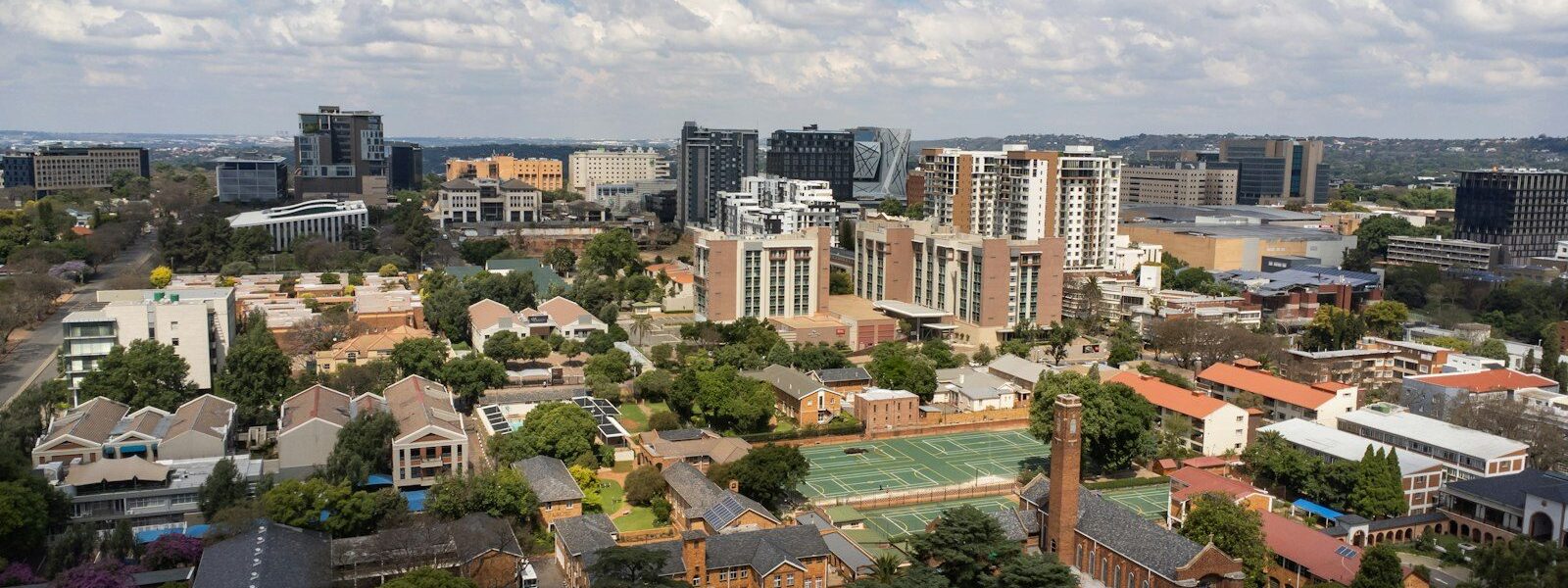
Foreigners can buy freehold houses and sectional title flats in South Africa with no nationality restrictions, and the process is essentially the same as for locals. The difference is money: non-residents can usually borrow only 50% of the price, funds must come in through a bank, and you must keep the inflow records so you can take the money out again when you sell.
The process (usually two to three months)
- View and negotiate: work with a PPRA-registered agent; check the municipal valuation, levies and estate or body corporate rules.
- Sign the Offer to Purchase: once both parties sign it is legally binding. A common suspensive condition is bond approval within a set time; make sure it is written in.
- Pay the deposit into the conveyancer’s trust account, never to the seller or an agent personally.
- Transfer by the conveyancer: appointed by the seller, the conveyancer runs FICA checks, pays transfer duty to SARS, prepares documents and lodges them at the Deeds Office.
- Bond registration: if you have a loan, the bank’s attorney registers it at the same time.
- Registration: the property is yours only once registered at the Deeds Office.
Non-resident buyers also need a SARS tax number before transfer duty can be filed; start this as soon as the offer is signed. See South African income tax and tax residence. FICA checks for non-residents are stricter and usually cover your passport, foreign proof of address, a bank reference and proof of source of funds.
Transfer duty
Paid by the buyer and filed with SARS. As of October 2026 (rates from 1 April 2026 are unchanged from the previous year):
| Property value | Transfer duty |
|---|---|
| Up to R1,210,000 | 0 |
| R1,210,001–R1,663,800 | 3% of the value above R1,210,000 |
| R1,663,801–R2,329,300 | R13,614 + 6% of the value above R1,663,800 |
| R2,329,301–R2,994,800 | R53,544 + 8% of the value above R2,329,300 |
| R2,994,801–R13,310,000 | R106,784 + 11% of the value above R2,994,800 |
| Above R13,310,000 | R1,241,456 + 13% of the value above R13,310,000 |
For example, a R2 million home attracts about R33,786 in transfer duty; a R3 million home about R107,356. If you buy a new home from a VAT vendor such as a developer, 15% VAT (included in the price) usually applies instead of transfer duty.
You also pay the transfer attorney, the bond attorney and Deeds Office fees, all scaled to the price. Ask the attorney for a cost estimate before you sign.
Home loans: non-residents vs foreigners working here
- Non-residents (living abroad): banks usually lend up to 50%; the other 50% must be your own money brought in from abroad. Exchange control requires non-residents to introduce one rand from abroad for every rand borrowed.
- Foreigners working in South Africa: some banks assess your income, remaining visa period and employer and may lend more than 50%, but terms vary, so compare banks or use a bond originator.
- Typical documents: passport, visa, six months’ payslips, employment contract, or financial statements and bank statements if self-employed.
- Rates are linked to prime: from 25 September 2026 the prime lending rate is 10.75%.
Getting money in and out
Send the purchase money from abroad by bank transfer into the conveyancer’s trust account, and keep the SWIFT confirmation (MT103) and the bank’s inflow record (deal receipt). These are what let you send the sale proceeds abroad later. Never buy with money from an underground exchanger: an unclear source of funds will cause problems at transfer and when you sell. See Sending money between South Africa and China.
When a non-resident sells for more than R2 million, the buyer must withhold part of the price (7.5% for individuals) for SARS as an advance on capital gains tax; any excess can be refunded.
Tips for Chinese buyers
- Buying property does not give you residence rights. For long-term stay, see Permanent residence in South Africa.
- Budget for municipal rates, levies and insurance every year; rental income must be declared for tax.
- Secure estates and complexes resell more easily and suit owners who are often away.
- If you are new to the country, rent first and learn the areas: see Renting in South Africa.
In some areas a large licensed casino resort is a major hub for shopping, dining and jobs, and one of the amenities buyers notice. Land-based casinos and licensed sports betting are legal in South Africa; online casino games are not. For the rules and legal venues, see our gambling section.
FAQ
Are there restrictions on foreigners buying?
Not for ordinary residential property: you can own individually, jointly or through a company. For agricultural land and other special cases, ask a lawyer first.
Can I pay cash?
Yes. Cash buyers still bring funds in through a bank and go through FICA.
How long does transfer take?
Usually two to three months, depending on bond approval, the municipal rates clearance and the Deeds Office.
Can I send the sale proceeds back to China?
If you can prove the purchase money came from abroad, proceeds are generally transferable once the tax steps are completed.
More in our housing section.