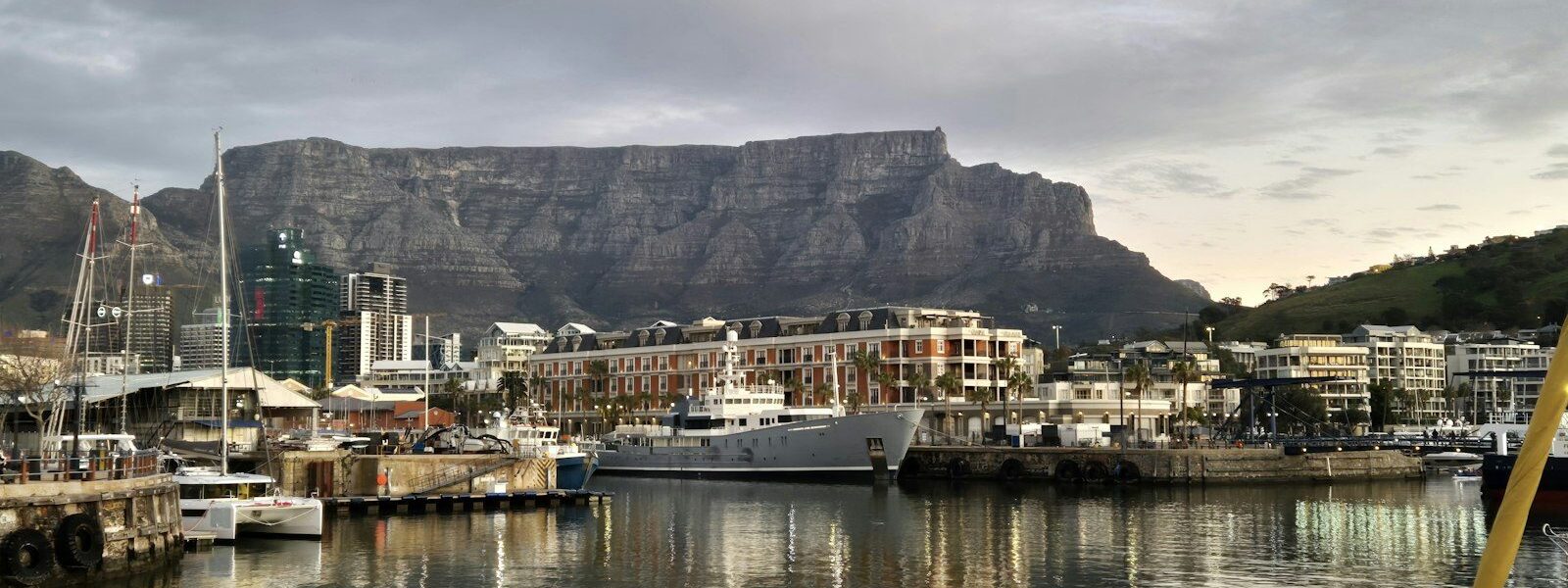
Cape Town, capital of the Western Cape, is South Africa’s legislative capital and its most popular tourist city. Chinese residents work in trade, restaurants, tourism and seafood, and many come to study. Consular matters are handled by the Chinese Consulate-General in Cape Town.
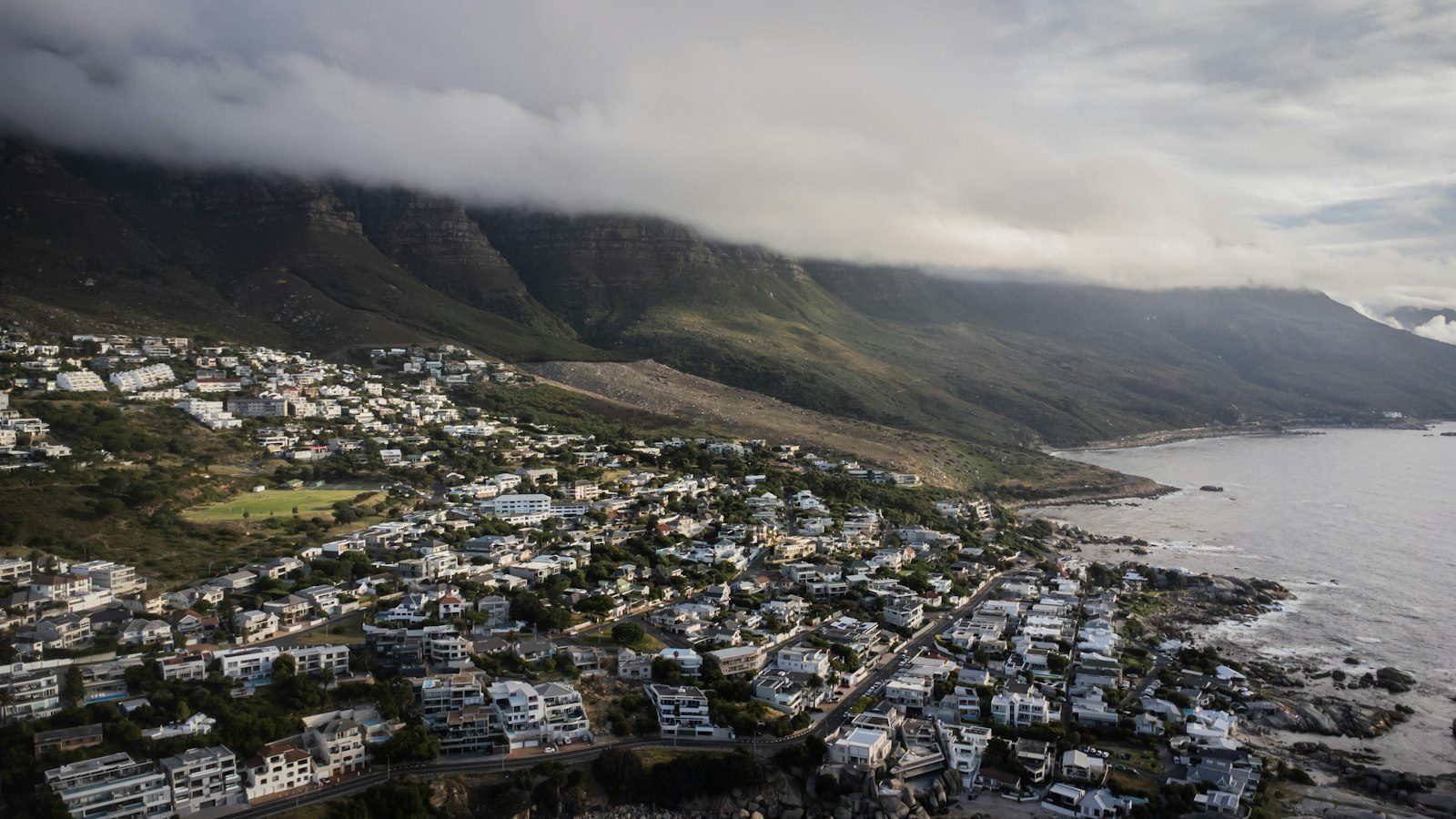
The city and consular services
Cape Town’s main industries are tourism, port logistics, fishing and seafood, wine, finance and tech, and the University of Cape Town (UCT) and Stellenbosch University attract many Chinese students. Seafood exports such as abalone have close links to the Chinese market. The climate is Mediterranean, with rainy winters (June to August), and housing costs more than in Johannesburg.
The Consulate-General is at 25 Rhodes Ave, Newlands. Its district covers the Western Cape, Eastern Cape and Northern Cape. The documents hall usually opens on Tuesday and Thursday mornings (except holidays), and the consular protection line is +27 21 674 7668. Check the consulate’s latest notices before you go; see Chinese embassy and consulates.
Where people live
- Southern Suburbs (Newlands, Claremont, Rondebosch): near the consulate and UCT, with plenty of schools and malls.
- Atlantic Seaboard (Sea Point, Green Point): by the sea and walkable, but rents are high.
- Northern Suburbs (Bellville, Durbanville): lower rents, good for families with a car or people working in the industrial areas.
There are many holiday lets in peak season, so read the lease and deposit terms carefully before signing a long-term lease. See our renting guide and cost of living.
Getting there
The gateway is Cape Town International Airport (CPT). As of October 2026, there are no direct flights from mainland China. Most people fly Air China to Johannesburg and take a domestic flight (about two hours), or connect through hubs such as Dubai, Doha or Addis Ababa. In town, use ride-hailing apps or MyCiTi buses. Since 1 July 2026, all travellers must complete an online SARS traveller declaration before travel. See the visa section and getting around.
Safety basics
- Car break-ins are common at tourist car parks and viewpoints, so never leave bags or electronics in the car.
- Hike Table Mountain in a group, stick to popular routes and be down before dark.
- Don’t walk alone at night; use a ride-hailing app.
Emergency numbers: police 10111, ambulance 10177, 112 from a mobile. More in our safety guide.
Chinese food and shopping
Cape Town has plenty of Chinese restaurants and Asian grocers, plus some Chinese-run wholesale malls, though on a smaller scale than Johannesburg. For Chinese sauces and ingredients see Chinese supermarkets; to meet the local community, contact the Chinese associations.
Weekends and casino resorts
At weekends, climb Table Mountain, drive to Cape Point, see the penguins at Boulders Beach or go wine tasting in Stellenbosch.
Cape Town’s main licensed casino resort is GrandWest in Goodwood, with hotels, restaurants, an ice rink and a show venue. The casino is 18+ only, and online casinos are illegal in South Africa. See our casino guide, the gambling section and responsible gambling.
FAQ
Which Chinese mission serves Cape Town?
Chinese citizens in the Western Cape, Eastern Cape and Northern Cape are served by the Consulate-General in Cape Town, at 25 Rhodes Ave, Newlands.
Are there direct flights from China to Cape Town?
Not as of October 2026. Most people connect through Johannesburg or through a hub in the Middle East or Ethiopia.
Is Cape Town more expensive than Johannesburg?
Rents and property prices are generally higher, especially on the Atlantic Seaboard and in the Southern Suburbs. See our cost-of-living guide.
Sources
- 中华人民共和国驻开普敦总领事馆
- 中华人民共和国驻开普敦总领事馆 – 领区概况
- 驻南非使馆提醒入出境南非提前完成旅客申报(2026-07-06)
- SARS – Traveller Declaration (online declarations from 1 July 2026)
- Airports Company South Africa (ACSA)
- Western Cape Government – Know who you can call in an emergency
- Western Cape Government
- AeroRoutes – Air China Increases South Africa Flights in NW26 (22 Jul 2026)
- National Gambling Board (NGB)