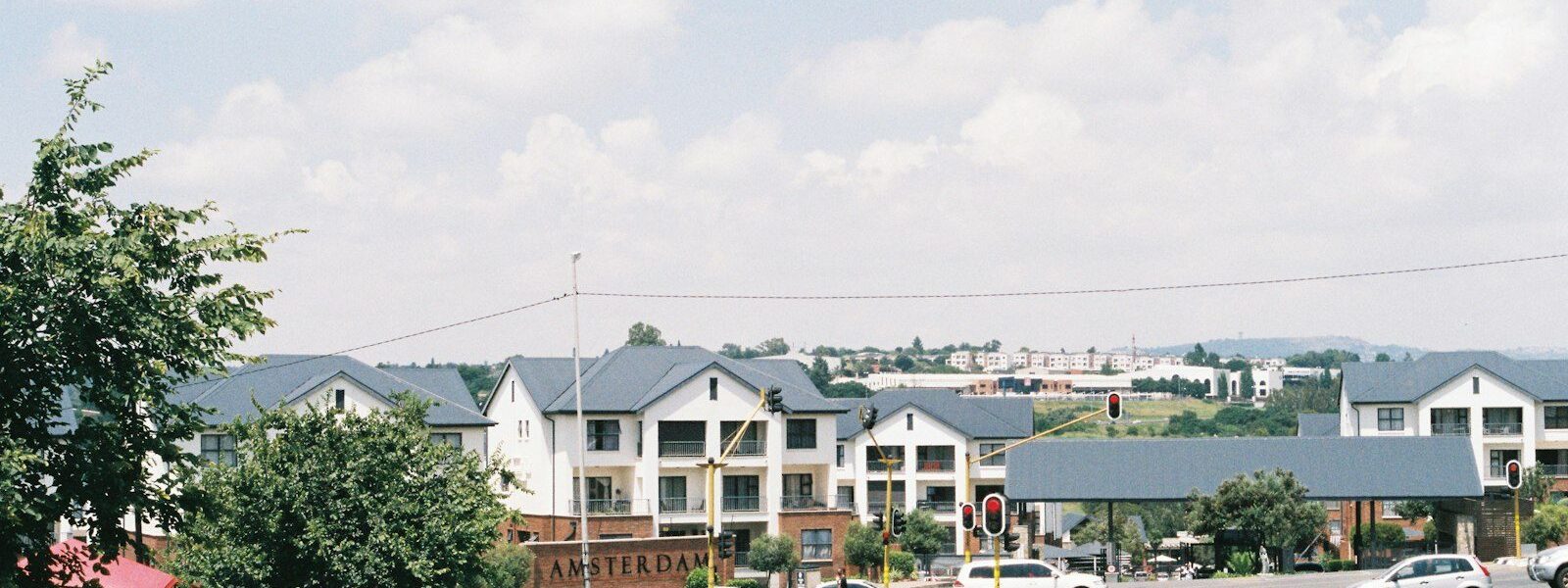
Most Chinese newcomers rent first and think about buying once they have settled. When choosing a home, security, access control and how a property copes with power and water cuts matter as much as price and commute, and the paperwork should follow South African law and practice.

Start here
- Renting in South Africa: where to find a place, lease terms, deposits, inspections and security.
- Buying property as a foreigner: the buying process, transfer costs, the conveyancer’s role and home loans.
Key things to know
- Foreigners can buy property. Foreign nationals may buy property in South Africa. A conveyancing attorney handles the transfer and registers ownership at the Deeds Office.
- Buyers pay transfer duty. Transfer duty is paid to SARS; homes below a set price are exempt. Check SARS for the current bands.
- Deposits go into an interest-bearing account. Under the Rental Housing Act, the landlord must keep your deposit in an interest-bearing account and refund it with interest after the lease ends, less the cost of any damage. Do a joint inspection, with photos, when you move in and out.
- Check the agent. Estate agents must be registered with the Property Practitioners Regulatory Authority (PPRA) and hold a Fidelity Fund Certificate (FFC). You can check before you sign.
- Security first. Gated estates, electric fencing, alarm systems and armed response are top of the list for many Chinese families.
Entertainment nearby
In the big cities, casino resorts often double as entertainment hubs with restaurants, cinemas and shows, which can be worth knowing about when you compare areas. Only licensed land-based casinos and sports betting are legal in South Africa; online casinos are not. See Betting & casinos.
Related sections
Once you have picked an area, read Safety & security for home security tips, or Daily life for utilities and living costs.