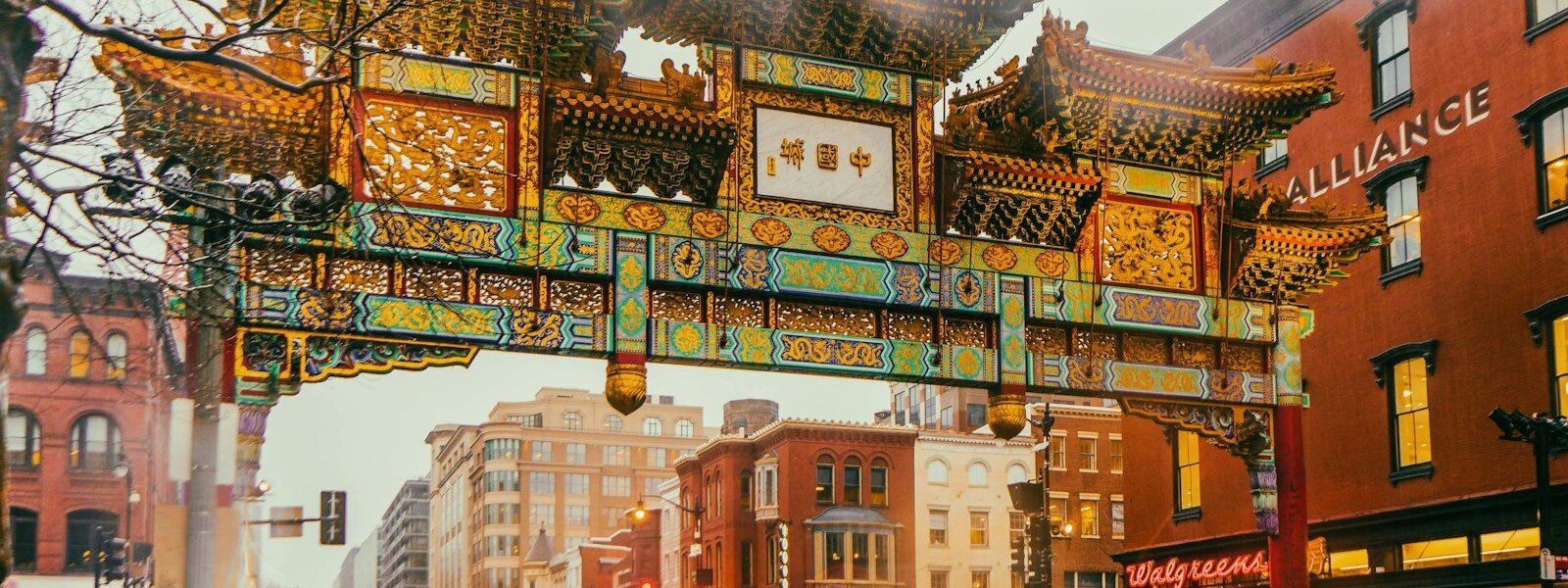
Johannesburg’s “new” Chinatown is Derrick Avenue in Cyrildene, east of the city centre: Chinese archways, restaurants, Chinese supermarkets, vegetable stalls and bubble tea shops, and the everyday hub for mainland Chinese residents. The “first” Chinatown on Commissioner Street in the CBD now has only a few old businesses. Chinese wholesale and retail trade is concentrated in “China malls” around the city, such as China Mall in Amalgam, China Mart in Crown Mines and Dragon City in Fordsburg. East of Pretoria, in Bronkhorstspruit, is Nan Hua, Africa’s largest Buddhist temple.
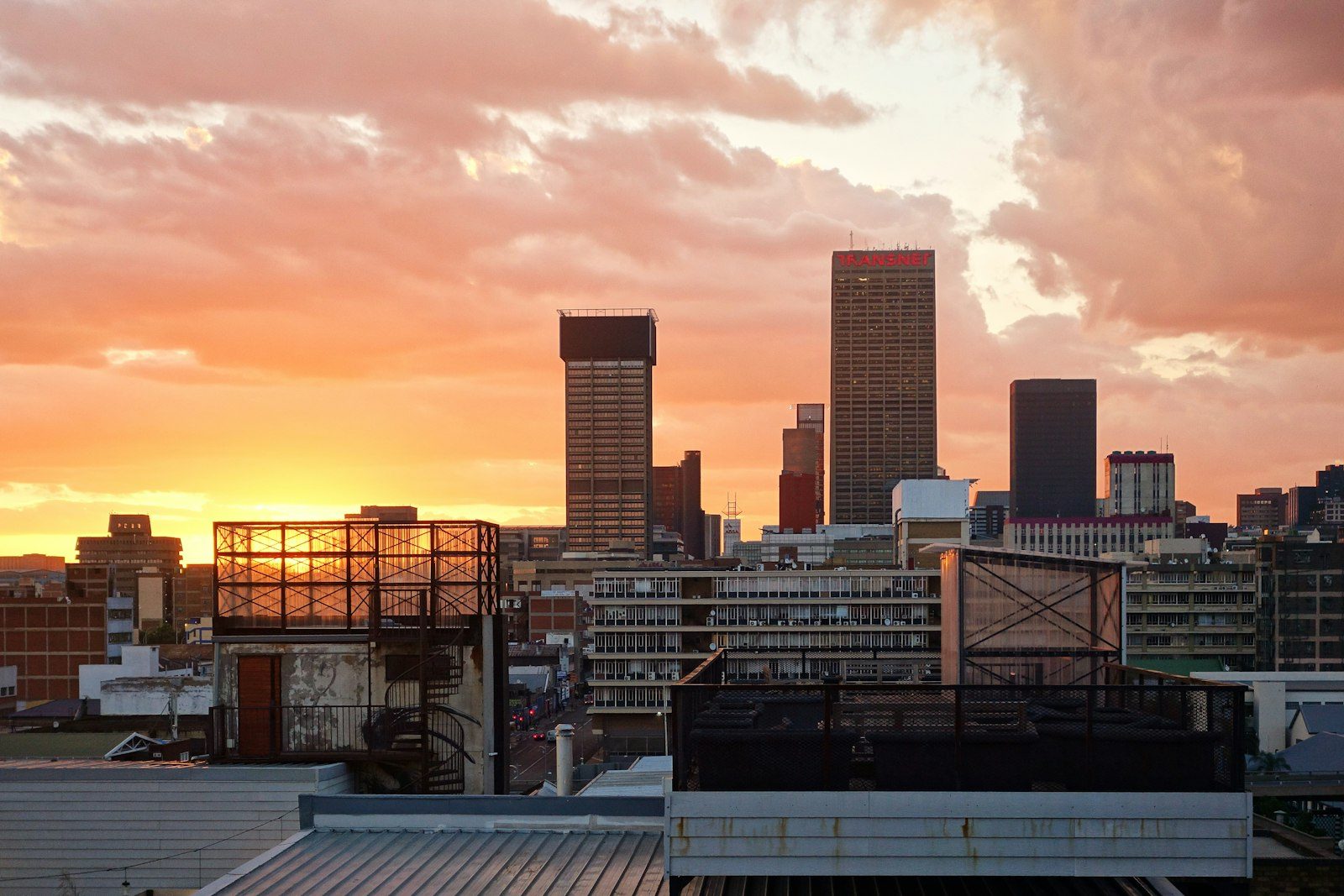
The first Chinatown: Commissioner Street
Johannesburg was founded on gold in 1886, and Chinese traders arrived soon after; by 1893 there were at least seven Chinese general stores in the area. The first Chinatown sat in Ferreirasdorp, on the western side of the CBD, along Commissioner Street. As the inner city declined in the late 1990s, many businesses and residents left, most of them for Cyrildene.
Survivors include Swallow’s Inn, described as one of the city’s oldest Chinese restaurants; Ming Woo, which serves weekend yum cha; and the Sui Hing Hong supermarket with its well-known old sign (condiments, tofu, crockery). The inner city can be rough, so go in daylight, in company, and drive straight there.
The new Chinatown: Derrick Avenue, Cyrildene
Cyrildene lies east of the CBD, next to Bruma, Observatory and Linksfield. After the Group Areas Act was repealed in 1991 the suburb became more mixed, and it later became the main home of mainland Chinese immigrants. Derrick Avenue has a Chinese archway at each end. Along the street you will find:
- Chinese supermarkets: CJ Supermarket is the largest, with noodles, snacks, frozen dumplings and buns, a butchery, tofu, condiments and cookware.
- Vegetable stalls: bok choy, bitter melon, snake beans, white radish, Chinese aubergine and more.
- Restaurants: Cantonese dim sum, Sichuan hotpot, northern Chinese food, clay-pot dishes, Korean barbecue and Thai; Sunday lunch is the busiest time.
- Other shops: tea shops, bubble tea, massage and acupuncture, hairdressers, phone and electronics shops, many with Chinese-only signs.
On the first weekend of Chinese New Year, Derrick Avenue usually holds a big street festival with dragon and lion dances, drums and fireworks. It gets very crowded, so book if you want to eat there. For groceries, see our guide to Chinese supermarkets.
China malls
From the mid-1990s, Chinese traders opened a series of “China malls” in Johannesburg selling clothing, shoes, bags, homeware and small appliances. Most sell both wholesale and retail; some are wholesale only. The addresses below come from 2026 published listings; check opening status and hours before you go.
| Mall | Location | Notes |
|---|---|---|
| China Mall Johannesburg | Corner Main Reef Road and Production Road, Amalgam | South-west Johannesburg; large, one of the first China malls |
| China Mart (also called China Square) | 2 Dorado Avenue, Crown Mines | South of the city, near Main Reef Road |
| Dragon City | Fordsburg, west of the CBD | Opened 2000, mainly wholesale (2014 report) |
| China City | East of the CBD, opposite Ellis Park stadium | Opened 1995, one of the earliest (2014 report) |
| Home Africa (formerly China Mall West) | 2 Main Reef Road, Fordsburg Industria | — |
| Oriental City | Ernest Oppenheimer Avenue, Bruma | Close to Cyrildene |
| China Centre | 18 Greenstone Place, Edenvale | East Rand side |
| China Town Mall | Old Pretoria Road, Halfway House, Midrand | Between Johannesburg and Pretoria |
| China Gate | Zuurfontein Road, Kempton Park | Near the airport |
Cape Town has a Cape Town China wholesale centre (开普敦中国批发城), mentioned in a 2026 Cape Town Consulate-General report; ask the local community for the address.
Nan Hua Temple
Nan Hua Temple is in Cultura Park, Bronkhorstspruit, east of Pretoria. It is the African headquarters of Taiwan’s Fo Guang Shan order and is described as the largest Buddhist temple and seminary in Africa. The local council donated the land in 1992. It is about 75 minutes’ drive from Johannesburg. It is generally open Tuesday to Sunday 09:00–17:00 and closed on Mondays, entry is free, and a vegetarian lunch is served on Sundays. There is a guesthouse and a meditation retreat centre; dress modestly. Check the temple’s own announcements for hours. Festivals such as Chinese New Year and the Buddha’s Birthday draw many Chinese families.
Practical tips
- Getting there: driving is easiest; parking on Derrick Avenue is tight, so go early at weekends. Ride-hailing works too; see getting around South Africa.
- Paying: many China mall shops take cash only or add a card fee. Most prices are negotiable; check goods before paying, as many shops exchange but do not refund.
- Safety: keep valuables out of sight, do not walk with your phone in your hand and park where there is a car guard. More in our safety guide.
- For the city overview see our Johannesburg guide, and more in the community section.
FAQ
Where exactly is Johannesburg’s Chinatown?
Mainly Derrick Avenue in Cyrildene; search “Derrick Avenue, Cyrildene” in your map app. The old Commissioner Street Chinatown has only a few businesses left.
Can I buy retail at the China malls?
Most shops sell both wholesale and retail; some are wholesale only. Buying more usually gets a better price.
Is Cyrildene safe?
It is busy and lively in the daytime, but take normal Johannesburg precautions: avoid walking alone at night, keep valuables hidden and lock your car doors.
Do I pay to visit Nan Hua Temple?
Entry is generally free; the temple is closed on Mondays. Check the temple’s own notices.
Sources
- Gauteng Tourism: Cyrildene
- Chinese Consulate-General in Cape Town: visit to community groups (4 Sep 2026)
- In Your Pocket: Chinese Joburg
- Time Out: Guide to shopping at Johannesburg’s China malls (Jan 2026)
- Joburg.co.za: Chinatowns and China malls in Johannesburg
- AllAfrica: Joburg’s China malls phenomenon (2014)
- Wikipedia: Cyrildene
- Wikipedia: Nan Hua Temple