
As of October 2026, national load-shedding has been suspended for around a year and a half, and Eskom expected no load-shedding through winter 2026. But parts of Gauteng still have “load reduction” cuts, unplanned outages from cable theft and substation faults are common, and in Johannesburg water outages are often a bigger headache than power cuts. A basic backup power setup and some water storage at home and in the shop still make sense.
Power cuts today (as of October 2026)
| Type | What it is | Current status |
|---|---|---|
| Load-shedding | Rotational national cuts in stages when supply is short | Not implemented since around April–May 2025; more than 500 days in a row |
| Load reduction | Targeted cuts by Eskom in overloaded areas with high illegal connections | Still applied in parts of Gauteng, usually 05:00–09:00 and 17:00–22:00; removed entirely in the Western Cape and Northern Cape |
| Unplanned outages | Cable theft, substation or transformer faults | Can happen anytime, more often in older parts of Johannesburg |
In its Winter Outlook on 22 April 2026, Eskom forecast no load-shedding for the whole winter and planned to largely end load reduction by 2027. Ageing power stations remain a risk, and some analysts see a possible supply gap around 2029–2030, so long-term residents and businesses should stay prepared.
Water outages in Johannesburg
Johannesburg depends on Rand Water’s bulk supply and Johannesburg Water’s network, so any problem at reservoirs or pump stations means low pressure or no water across wide areas. In July 2026, planned Rand Water maintenance coincided with a City Power fault that stopped the Eikenhof pump station. The CBD and many northern and western suburbs had low pressure or no water, recovery took several days, and higher-lying areas were last to get water back. See our Johannesburg city guide.
- Keep drinking water at home plus a few large containers.
- In a house, consider a water tank (a JoJo tank) with a pump; ask your landlord first.
- Follow maintenance notices from the City and Johannesburg Water and fill up the day before.
Backup power at home
| Option | What it runs | Indicative cost |
|---|---|---|
| Router UPS, power banks, rechargeable lights | Internet, phones, lighting | A few hundred to about two thousand rand |
| Inverter + lithium battery (no panels) | Lights, TV, fridge, internet for a few hours | Depends on capacity |
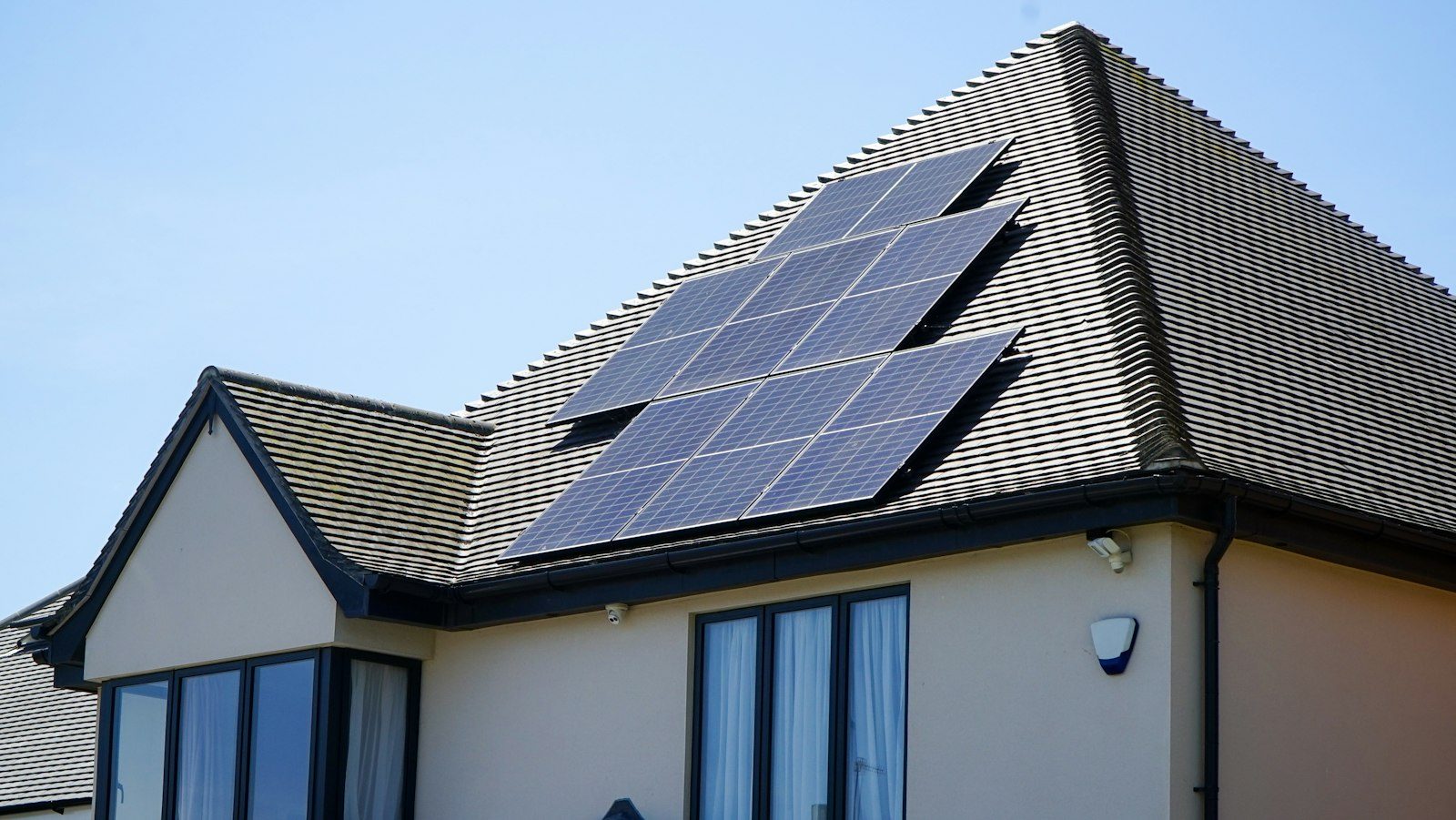
| 5 kVA inverter + 10 kWh battery + solar panels | Everyday use in a 2–3 bedroom home, about 4 hours of backup at 2.5 kW | About R90,000–R145,000 (2026 industry estimate) |
Things to know:
- Geysers, stoves, tumble dryers and air conditioners draw too much power for most backup systems; keep a gas stove for cooking.
- Choose lithium iron phosphate (LiFePO4) batteries and use a qualified electrician who issues a certificate of compliance (CoC).
- City Power in Johannesburg requires pre-approval and registration of small-scale generation, including rooftop solar, and Cape Town and other cities also require registration. Ask your installer whether they handle it.
- Tenants need the landlord’s written consent; see our renting guide.
Shops
- Put tills, card machines, the router, cameras, the alarm and lighting on an inverter so you can keep trading and stay secure.
- Electric fences, alarms and gate motors need their own backup batteries; outages are exactly when security is weakest. See our safety guide.
- Shops with lots of frozen stock may need a generator; budget for fuel (diesel was above R31 a litre in October 2026) and mind noise and exhaust safety.
- During long outages keep freezer doors shut to protect stock.
Apps and information
- EskomSePush (ESP): the most widely used outage app. The core features are free: load-shedding and load-reduction schedules, plus neighbour reports of unplanned power cuts, water outages and network faults.
- Municipal channels: City Power, Johannesburg Water and the City of Cape Town post maintenance and outage notices on their websites and social media.
- Complex and community groups: neighbours’ chat groups are often the fastest source.
Backup power and utility bills affect your monthly budget; see cost of living in South Africa.
FAQ
Do I still need an inverter?
National load-shedding is paused, but faults and load reduction continue. At minimum, have backup for internet, lighting and security. Whether solar pays off depends on your tariff, how long you will stay and the property.
How do I tell load reduction from a fault?
Check EskomSePush for a schedule in your area and see whether neighbours have reported an outage. If only your home is off, check your distribution board, then log a fault with the municipality or Eskom.
How long do water outages last?
Planned maintenance usually takes a day or two, but supply only returns once reservoirs refill, and higher areas can wait several more days. Keep at least two to three days of water.
More in our Living section.
Sources
- SAnews (GCIS): Load shedding free winter on the cards for South Africa (Eskom Winter Outlook, 22 Apr 2026)
- City of Johannesburg: Update – Rand Water maintenance (2026 media statement)
- TimesLIVE: Dry Joburg weekend may be in store as maintenance limits water supply (17 Jul 2026)
- EnergyBee: Eskom load reduction schedule, Gauteng, September 2026
- EnergyBee: EskomSePush app and load shedding in 2026
- OurPower: 5kVA solar system cost in South Africa (2026)
- TimesLIVE: OUTA calls for end to burdensome City Power solar approval process (20 Apr 2026)