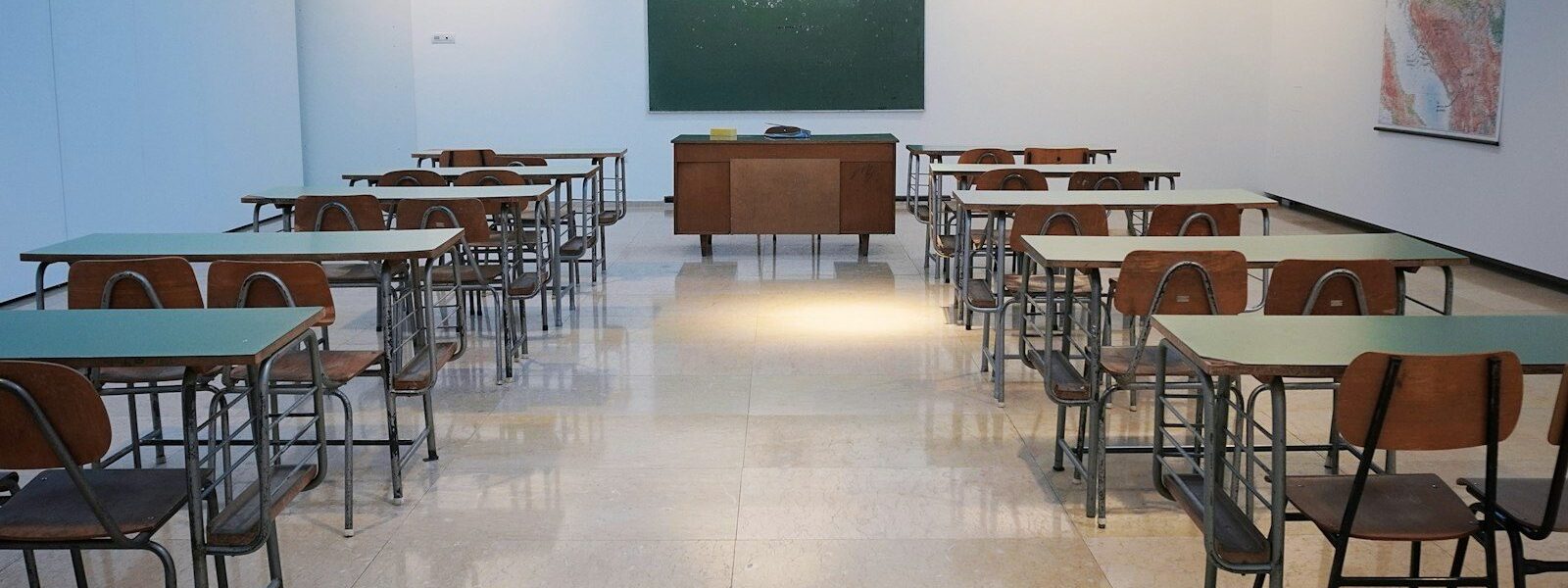
South African schools fall into three groups: public schools, independent (private) schools and international schools. The school year runs from January to December in four terms. Foreign children usually need a study visa (or a matching residence permit), and public school applications usually open from April to October of the year before entry, so start early.
Choosing a type of school
| Public | Independent | International | |
|---|---|---|---|
| Curriculum | National curriculum (CAPS), ending in the National Senior Certificate (NSC) | Mostly CAPS, often writing IEB exams; some own curricula | Cambridge (British), International Baccalaureate (IB) and others |
| Fees | No-fee and fee-paying schools; fees set by the school governing body | Much higher than public, wide range | Usually the highest |
| Admission | Feeder zones and the school’s admission policy; no admission tests | School’s own process, may include interviews or tests | School’s own process |
| Good for | Families settling long-term on a budget | Smaller classes, extracurriculars | Children who may move country or return to China |
Many Chinese families choose a well-regarded fee-paying public school near home (often a former “Model C” school) or an independent school. The Independent Schools Association of Southern Africa (ISASA) has over 900 member schools and a school finder on its website. Independent schools must be registered with the provincial education department, so check before you pay.
Entry ages and the school year
- Grade R: the child must turn 5 by 30 June of the admission year;
- Grade 1: the child must turn 6 by 30 June of the admission year;
- school is compulsory from age 7 to 15.
Public school terms (as of October 2026):
| Term | 2026 | 2027 |
|---|---|---|
| Term 1 | 14 Jan – 27 Mar | 13 Jan – 19 Mar |
| Term 2 | 8 Apr – 26 Jun | 6 Apr – 25 Jun |
| Term 3 | 21 Jul – 23 Sep | 20 Jul – 22 Sep |
| Term 4 | 6 Oct – 11 Dec | 5 Oct – 8 Dec |
2027 dates follow the calendar published by the Department of Basic Education; independent and international schools may differ. Because the South African year does not match China’s, children moving from China are usually placed by age and English level.
Applying to a public school
- Identify schools in your feeder zone, ask around and arrange to meet the school.
- Apply within your province’s window (Gauteng, for example, uses online applications), usually April to October of the year before.
- Prepare documents: birth certificate, immunisation record, last school report or transfer card; non-citizen learners also need a study visa, a temporary or permanent residence permit, or proof that they have applied.
- Wait for the offer and accept the place as instructed.
Chinese birth certificates and school reports should be notarised in China with an English translation. China joined the Hague Apostille Convention in November 2023 and South Africa is also a party, so ask your local foreign affairs office in China about an apostille, which is simpler than consular legalisation.
Study visas for children
Foreign children at primary or high school generally need a study visa. According to South African missions’ 2026 checklists, a minor’s application usually needs, besides a passport, birth certificate and medical report:
- an acceptance letter from the South African school and the school’s undertaking to confirm registration;
- notarised parental consent (from both parents, or a court order on parental rights);
- a letter from the child’s guardian in South Africa with address and contact details;
- ID and three months’ bank statements of the person paying for the child;
- proof of cover from a South African registered medical scheme for the whole study period, renewed annually: see How to choose medical aid.
If a parent holds a work visa, follow the current Home Affairs and visa centre requirements for the child’s visa; see our visa section.
Mandarin and Chinese education
- The national curriculum lists Mandarin as an optional “second additional language”, but few schools offer it, so ask the school directly.
- Some universities host Confucius Institutes that run Chinese classes for the public.
- To keep up your child’s Chinese reading and writing, ask community associations about weekend Chinese schools: see Chinese associations in South Africa.
FAQ
Can a child with weak English attend a public school?
Public schools may not reject learners through admission tests, but weak English makes lessons hard. Many parents use a tutor or start the child one grade lower.
Can public school fees be reduced?
Fee-paying public schools have a fee exemption process based on household income; ask the school.
What else matters when choosing?
Beyond results, think about the school run, safety and feeder zones. Where you live affects which public schools you can get into: see our Johannesburg city guide.
When should we start?
At least a year ahead. Public school applications run from April to October of the previous year, and visas and document legalisation take time.
More in our education section.
Sources
- Department of Basic Education: School admissions
- South African Government: School calendar
- Department of Basic Education: 2027 school calendar
- South African Embassy (Washington): study visa checklist, updated April 2026
- Independent Schools Association of Southern Africa (ISASA)
- BusinessTech: Mandarin progress in SA schools (2016)