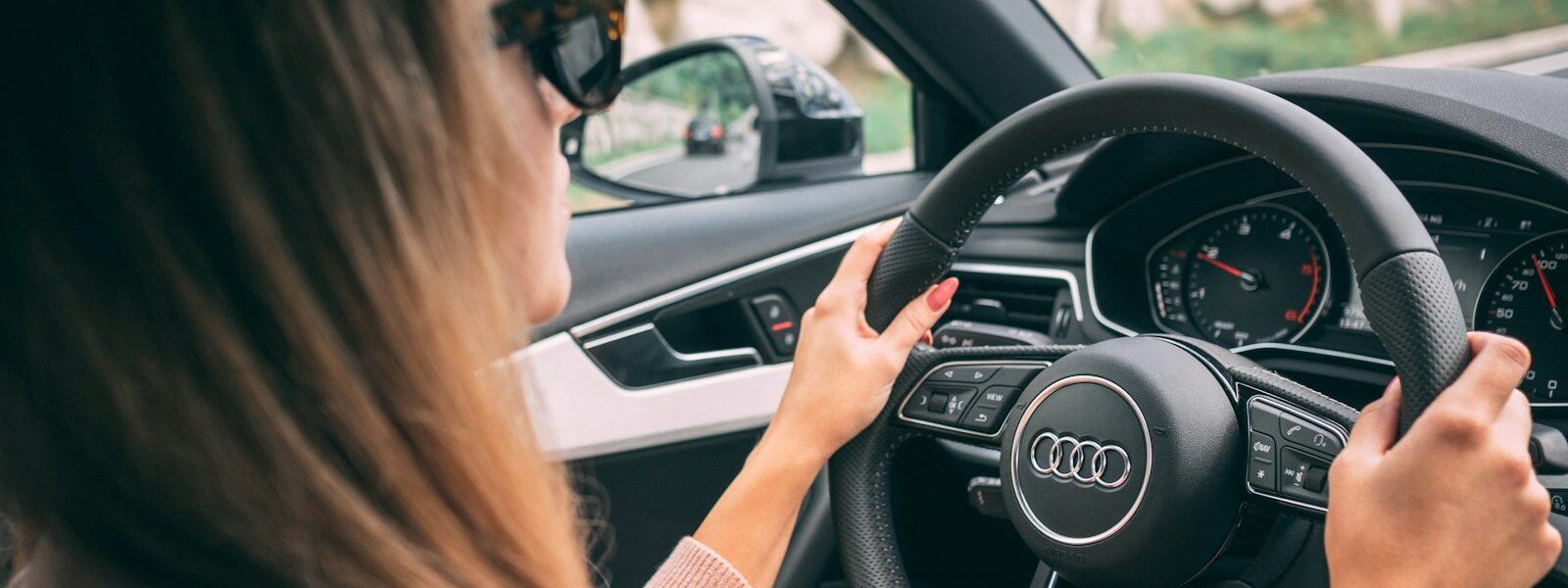
For short-term driving in South Africa you can use your Chinese licence, but because it is in Chinese and China does not issue International Driving Permits (IDPs), you should carry a certified English translation and your passport with it. Once you become a permanent resident you must convert to a South African licence. Temporary residents, such as work-visa holders, cannot convert, so for long-term driving the safer route is to take the South African licence test.

What South African law says
Under the National Road Traffic Act 93 of 1996 and its regulations, a foreign licence is valid in South Africa if:
- it is valid in the issuing country and was issued while the holder was not a permanent or ordinary resident of South Africa;
- it is in an official South African language (usually English), or a translation into an official language is attached;
- it carries, or has attached, the holder’s photograph and signature.
A foreign licence stops being valid once the holder has been a permanent resident for a continuous year. Contract workers and visitors are not treated as permanent residents, however long they stay. An IDP must be carried together with the licence it was issued on.
What this means for a Chinese licence
China is not a party to the 1949 Geneva or 1968 Vienna road traffic conventions and does not issue IDPs, so “just get an international licence” is not an option for Chinese licence holders. In practice, Chinese drivers use one of these routes:
| Route | How | Notes |
|---|---|---|
| Notarised translation in China | Before leaving, have a notary office in China issue a notarised English translation of your licence | China has joined the Apostille Convention, so you can add an apostille if needed |
| Sworn translation in South Africa | Use a sworn translator admitted by the South African High Court | Useful if you are already in SA |
| South African licence | Pass the learner’s test, then the driving test | Best for long-term residents, shop owners and car buyers |
Keep the original licence, English translation and passport together in the car. Traffic officers, the police after a crash and your insurer may all ask for them. Driving on an invalid licence can give an insurer grounds to reject a claim, which matters more than any fine.
Car hire companies can set their own rules on top of the law, and some require an IDP for any licence not in English. Before booking, get written confirmation that they accept a Chinese licence with a certified translation.
Converting to a South African licence (permanent residents)
After you receive permanent residence, gov.za sets out this process:
- At a driving licence testing centre (DLTC) in the province where you got permanent residence, complete form DL1 and an NCP form.
- Bring your passport and permanent residence permit, four black-and-white ID photos, your Chinese licence, an English translation, a letter from the issuing authority confirming the licence is valid and listing the vehicle categories, and proof of address such as a utility bill.
- Take an eye test on site; no driving test is normally required.
- Hand in your Chinese licence when you collect the South African one.
Deadlines differ between official sources: gov.za says within one year of getting permanent residence, while the Western Cape transport department says five years and requires a South African ID document first. The Western Cape lists fees of R140 for the conversion and R45 for a temporary licence (as of October 2026). Apply as soon as you can and check with your local DLTC first. See our permanent residence guide.
Getting a South African licence from scratch
If you do not have permanent residence but will drive long term, follow the local route: book the learner’s test online through NaTIS or at a DLTC, then take the K53 driving test. Slots in Gauteng and other big cities are scarce, so book early. Many Chinese residents take a few lessons with a driving school to learn the K53 checks, signalling and parking routines.
Driving in South Africa: what is different
- Drive on the left in right-hand-drive cars. Turns and roundabouts are mirrored compared with China, and intersections are where newcomers most often end up in the wrong lane.
- General speed limits: 60 km/h in towns, 100 km/h on rural roads, 120 km/h on freeways, unless signs say otherwise.
- The blood alcohol limit is 0.05 g per 100 ml.
- At a 4-way stop, cars go in order of arrival. Minibus taxis stop suddenly, so keep your distance.
- Be alert to hijacking at night and on quiet roads; see our safety guide.
FAQ
Can I drive with just my Chinese licence?
Because it is in Chinese, the law requires an attached translation. Carrying the original alone can cause problems at a roadblock or after a crash, so carry a certified English translation and your passport too.
What about Hong Kong, Macau or other licences?
If the licence itself is in English with a photo and signature, it can usually be used directly, or with an IDP from the issuing place. Check with the transport authorities and your rental company.
Can I convert on a work visa?
According to gov.za, conversion is only for permanent residents (and diplomatic permit holders). Temporary residents cannot convert but can take the local tests.
Anything to know before a self-drive trip to Kruger?
Carry all documents and insurance papers on long trips. For routes see our Kruger self-drive guide, for public transport see getting around South Africa, and more in the Transport section.
Sources
- gov.za: Convert foreign driving licence
- Western Cape Government (Mobility): Convert a foreign driving licence
- Embassy of Japan in South Africa: Legal foundation – foreign driver’s licences in South Africa (National Road Traffic Act 93 of 1996)
- DIRCO (South African Embassy Prague): Driver’s licences
- Arrive Alive: Ask the expert – validity of foreign licences
- TyreMap: Driving in South Africa as a China tourist